The most expensive problem in plastic scrap trade is discovering a wrong bale after it has reached the port. Quality risk never disappears entirely, but it can be managed with a well-defined contract, a disciplined photo routine and a clear claims process. This checklist is meant to help buyers and suppliers meet on the same expectations.
Five parameters that define quality
1. Polymer purity
The share of material other than the target polymer. PVC in PET bales, PP or PET in LDPE film bales and PP caps in HDPE bales are typical foreign polymers. Some mixes only reduce yield; others (such as PVC in PET) can ruin processing of the whole lot.
2. Contamination
Everything that is not plastic: paper labels and cardboard, tape, metal, wood, glass, soil, sand, organic and food residue. Contamination is paid for by weight but never comes out as product, and it raises sorting and washing costs.
3. Moisture
Bales stored outdoors, rain and material not dried after washing all add weight. Moisture means part of the price per tonne is paid for water. The maximum moisture level and the measuring method should be defined in the contract.
4. Colour
Clear and natural fractions are worth more than coloured and mixed ones because they can be turned into any colour. The colour ratio (for example clear versus coloured film) should be defined in writing in the contract.
5. Bale density and weight
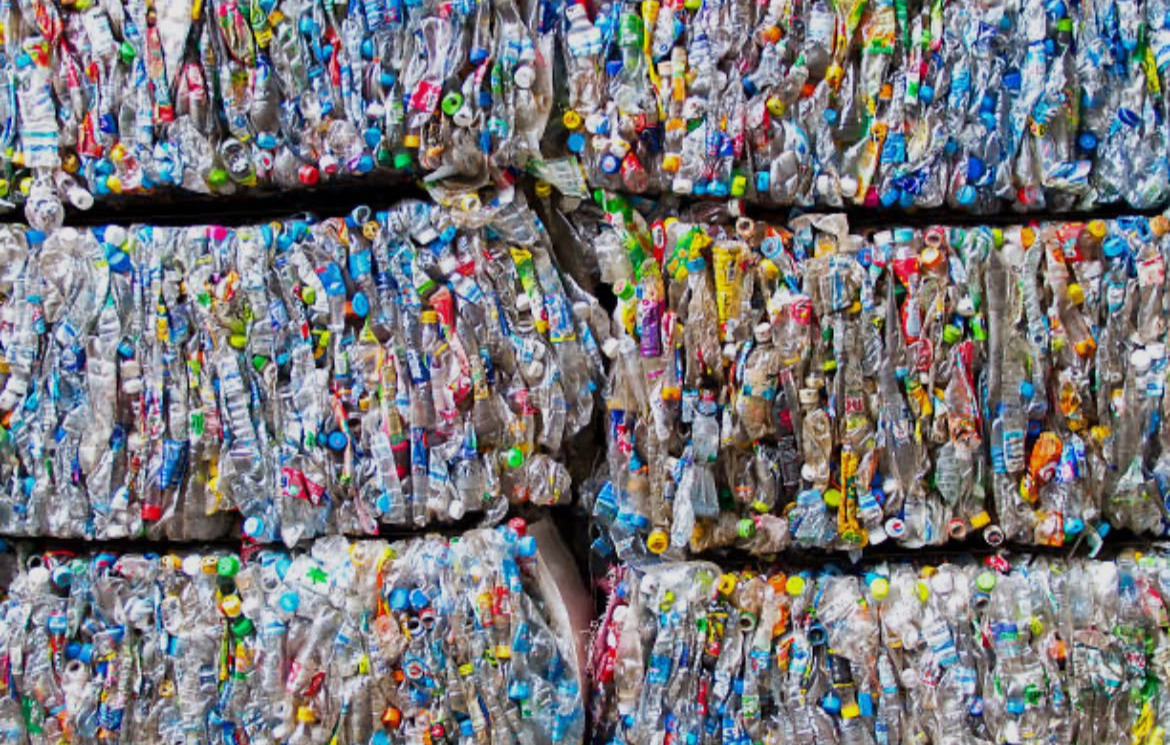
Well-compressed bales let more net weight go into each container and lower freight per tonne. Loose bales can break apart in transit and make unloading harder. Setting a minimum net weight per container in the contract is common practice.
Write quality into the contract in measurable terms
Phrases like “first quality” or “clean material” protect nobody in a dispute. Instead, write the following clearly and with numbers:
| Item | Example definition |
|---|---|
| Material | Polymer, source (industrial / post-consumer), form (bale, regrind) |
| Purity | Minimum share of target polymer, prohibited foreign polymers |
| Contamination | Maximum share, unacceptable materials (metal, glass, organics) |
| Moisture | Maximum level and measuring method |
| Colour | Clear / natural / coloured ratios |
| Weight | Minimum net weight per container, where it is weighed |
| Claims | Notice period, required evidence, remedy (price reduction, return) |
Loading photos: the strongest evidence
In Green Day Trade's document flow, loading photos are part of the first document pack after the advance payment. A good photo set includes:
- The empty, clean container (with the container number visible).
- Close-ups of the bales; if possible, the inside of an opened or cut bale.
- The container half full and completely full.
- The seal and a legible seal number after the doors close.
- The weighbridge ticket or weighing record.
Samples and independent inspection
- Samples: ask for a sample before the first order of a new material or supplier, and compare it with the loading photos to be sure it represents the real cargo.
- Trial shipment: limiting the first order to one or a few containers keeps the risk small.
- Pre-shipment inspection: for high volumes or new relationships, an independent inspection company checking during loading is valuable.
If there is a problem on arrival: claim steps
- Stop unloading. Proving a claim for partly processed material is very difficult.
- Document it. Take photos and video with the container and seal numbers; set the problem bales aside.
- Take samples. Have an independent laboratory analyse them if needed.
- Notify in writing, on time. Send written notice to the seller and the intermediary within the contractual claim period.
- Record the outcome. A price reduction, partial return or offset against the next shipment should be documented in writing.
Green Day Trade tracks quality claims alongside each loading record, keeping photos, documents and correspondence in one file so the parties can reach a fast and fair resolution.