The right HS code determines duty, statistics and, above all, which permits and controls apply. For plastic scrap, a wrong code can hold cargo at the port or place it under the wrong procedure. This guide summarises the positions most used in plastic waste and scrap trade and how to verify the right code.
HS, CN and national codes: how the digits work
- HS (Harmonized System), 6 digits: set by the World Customs Organization (WCO) and identical in all member countries.
- CN (Combined Nomenclature), 8 digits: the EU's two extra digits; detailed EU measures use the 10-digit TARIC code.
- Türkiye's GTİP, 12 digits: the national breakdown, largely aligned with the EU CN for the first 8 digits.
In short, the first 6 digits are the shared international language; the rest varies by country. When buyer and seller are in different countries, the first 6 digits should match on both sides.
3915: waste, parings and scrap of plastics
In the Harmonized System, “waste, parings and scrap, of plastics” is heading 3915. Subheadings split by polymer:
| HS code | Scope | Typical traded examples |
|---|---|---|
| 3915.10 | Of polymers of ethylene | LDPE stretch and clear film bales, HDPE drum/crate regrind, PE regrind |
| 3915.20 | Of polymers of styrene | EPS/XPS foam, HIPS parings |
| 3915.30 | Of polymers of vinyl chloride | PVC profile and pipe scrap |
| 3915.90 | Of other plastics | PET bottle bales, PP big bags and crates, mixed plastics |
At EU CN level, 3915.90 is split further; for example waste of propylene polymers has its own 8-digit position. Always check the national breakdown in your own tariff.
Waste or product? Granules and flakes
The deciding question is whether the material is still waste or a processed raw material:
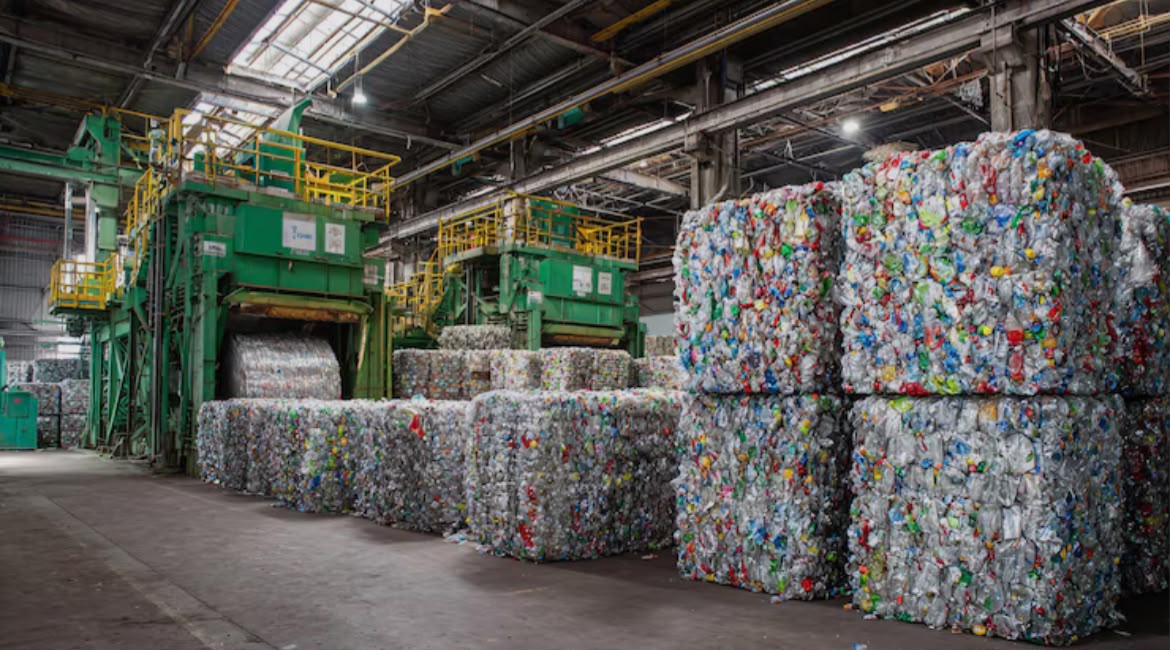
- Bales, parings, regrind: still waste, stay under 3915.
- Granules (melted and extruded): polymers in primary forms. Polyethylene 3901, polypropylene 3902, PET 3907.61 (viscosity number 78 ml/g or higher) or 3907.69.
- Washed flakes: a grey area; some administrations treat them as waste, others as primary forms. A binding tariff ruling is the safest route for these products.
Plastic bags and packaging products
Finished goods made from recycled feedstock are no longer waste. For example, polyethylene refuse sacks and bags fall under 3923.21 (sacks and bags of polymers of ethylene).
Don't confuse HS codes with Basel codes
Waste shipments also carry the waste's environmental code alongside the HS code. Under the Basel Convention plastic waste amendments in force since 2021:
- B3011: non-hazardous, clean plastic waste almost exclusively of one polymer (such as PE, PP, PET) destined for environmentally sound recycling.
- Y48: non-hazardous plastic waste outside B3011, such as mixed or contaminated plastics; subject to prior informed consent.
- A3210: plastic waste with hazardous characteristics.
The Annex and permit applications should show both the HS code and the waste code, correctly and consistently.
Where to verify the right code
- European Union: the European Commission's TARIC database and the Access2Markets portal for exporters.
- Türkiye: the Turkish Customs Tariff published yearly by the Ministry of Trade (12-digit GTİP).
- International 6 digits: the World Customs Organization (WCO) HS nomenclature.
- When certainty is needed: request a binding tariff information (BTI) ruling from customs. It binds the administration for that product and prevents later disputes.