Four polymers make up most of the recycled plastics trade: PET, HDPE, LDPE and PP. Each has a different source, sorting method, buyer expectation and second life after recycling. This guide brings the key differences together so suppliers and buyers speak the same language.
The four polymers at a glance
| PET | HDPE | LDPE | PP | |
|---|---|---|---|---|
| Resin code | 1 | 2 | 4 | 5 |
| Full name | Polyethylene terephthalate | High-density polyethylene | Low-density polyethylene | Polypropylene |
| Typical source | Beverage bottles, trays | Jerry cans, milk jugs, crates | Stretch and clear film, bags | Caps, crates, big bags, raffia |
| In water | Sinks | Floats | Floats | Floats |
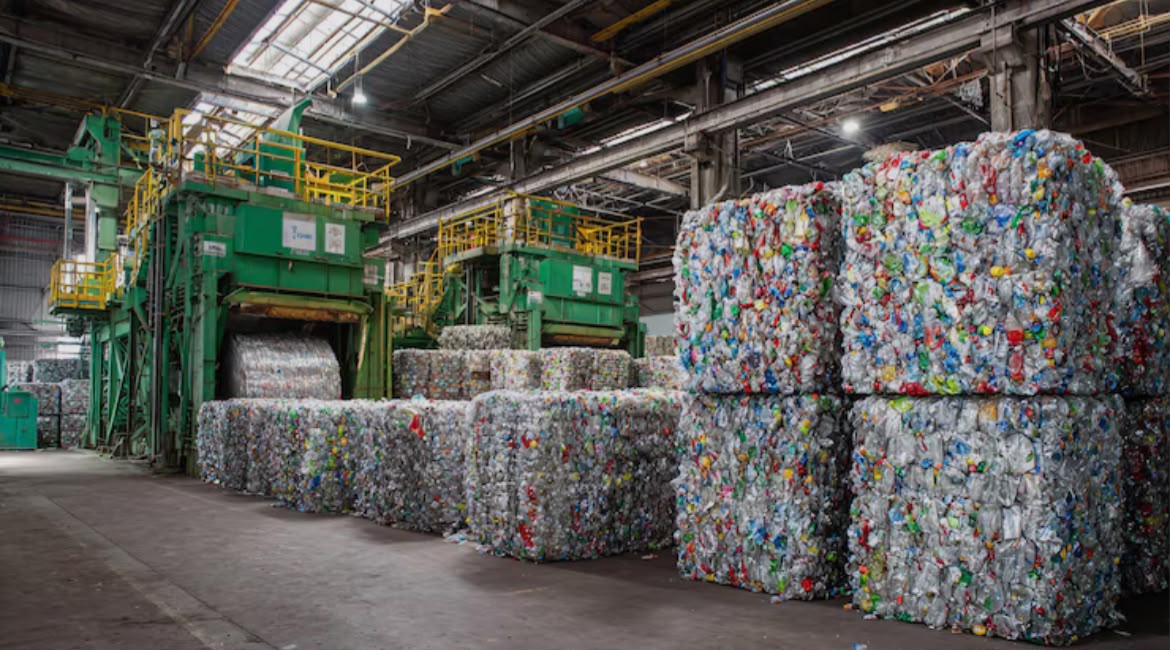
| Traded form | Bottle bales, flakes | Bales, regrind | Film bales | Bales, regrind |
| After recycling | Fibre, strapping, new bottles | Pipes, crates, drums | Refuse sacks, film | Automotive parts, household goods |
PET (1): from bottle to fibre
PET stands out in beverage and food packaging thanks to its clarity, strength and gas barrier. Its most common traded form is the PET bottle bale, usually sorted by colour: clear, light blue and green. Clear PET is the most valuable fraction because of its bottle-to-bottle potential.
- Watch for: PVC and PETG contamination (problematic in melting), share of caps and labels, liquid left in bottles and moisture.
- End uses: polyester fibre (textiles, filling), strapping, thermoformed trays and, with suitable processes, new bottles.
HDPE (2): rigid but tough
HDPE is used for detergent and shampoo bottles, milk jugs, crates and pipes. It resists chemicals and floats in water. It is traded as natural (uncoloured) or coloured; natural HDPE is worth more because it can go into light-coloured products.
- Watch for: residues inside containers (chemicals, odour), PP caps mixed in, metal parts.
- End uses: pipes, crates, pallets, drums and garden products.
LDPE (4): film and bags
LDPE is the core material of flexible packaging: stretch film, clear protective film, carrier bags and sacks. It is mostly traded as film bales. Grades are commonly expressed by the ratio of clear to coloured film (for example 98/2 or 90/10). These terms are not standardised, so each contract should define in writing what they mean.
- Watch for: paper labels and tape, print coverage, moisture, soil and organic contamination (especially in agricultural film).
- End uses: refuse sacks, carrier bags, construction and agricultural film.
PP (5): from caps to cars
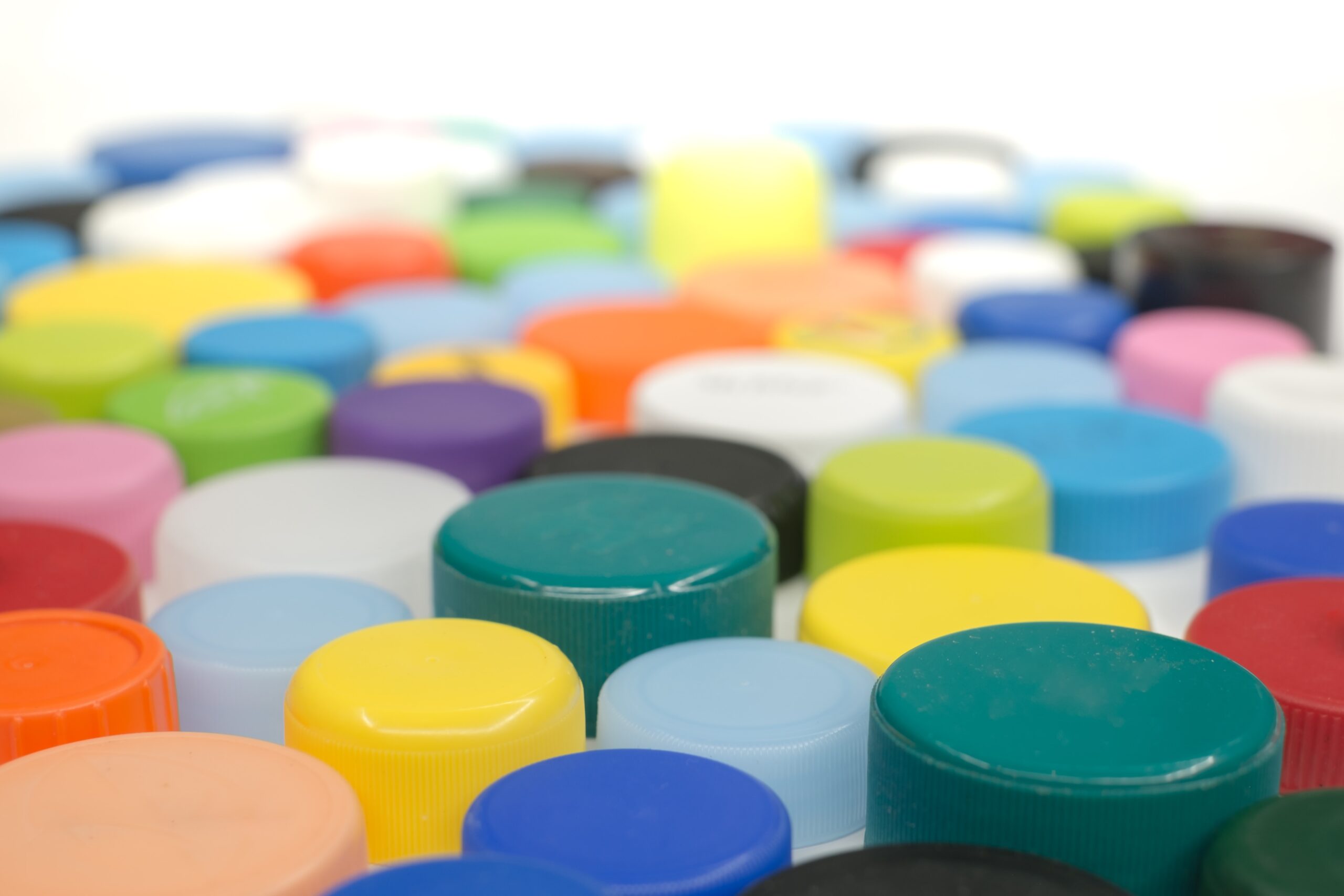
PP is used for bottle caps, crates, yoghurt pots, big bags and raffia sacks. It is light, heat resistant and floats in water. Because its density is close to PE, a float-sink test cannot separate the two, so mixed PP/PE loads are valued lower.
- Watch for: PE contamination, dust and product residue inside big bags, UV-degraded material.
- End uses: automotive interior parts, household goods, crates and compounds.
Identifying plastics on site: three practical methods
- Resin code and product type: the number inside the triangle is the first clue. Not every item is coded, and codes are not always right.
- Float-sink test: in a container of water, PE and PP float while PET and PVC sink. It gives a quick estimate of the mix in a bale.
- Spectroscopy (NIR/FTIR): identifies the polymer definitively in the lab or on modern sorting lines, and is the reference in disputes.
What drives price?
Two bales of the same polymer can differ widely in price. The deciding factors:
- Purity: the lower the share of other polymers, the higher the value.
- Colour: clear and natural fractions are worth more than coloured and mixed ones.
- Moisture and contamination: water, soil, paper, metal and organic residue add weight but reduce yield.
- Bale density: determines the net weight a container can carry and therefore freight per tonne.
At Green Day Trade we pin down the polymer, colour, source (industrial or post-consumer) and expected quality parameters on every request, so the right supplier is matched with the right buyer.