
Knowledge hub

Practical guides to the recycled plastics trade

What we know from working between suppliers and buyers every day: documents, customs, logistics, quality and regulation. Clear, sourced content that works in practice.

6
guides
5
topics
2
English & Türkçe
Container ship waiting at port

01 / 067 min read

Featured · Documents & Customs

Plastic scrap trade documentation: 7 steps from proforma to the signed Annex

The post-order document flow for plastic scrap imports: proforma and 30% advance, loading photos, Annex per container, final invoice, BL/COO drafts, final payment, telex release, environmental inspection and the signed Annex.

Read the guide
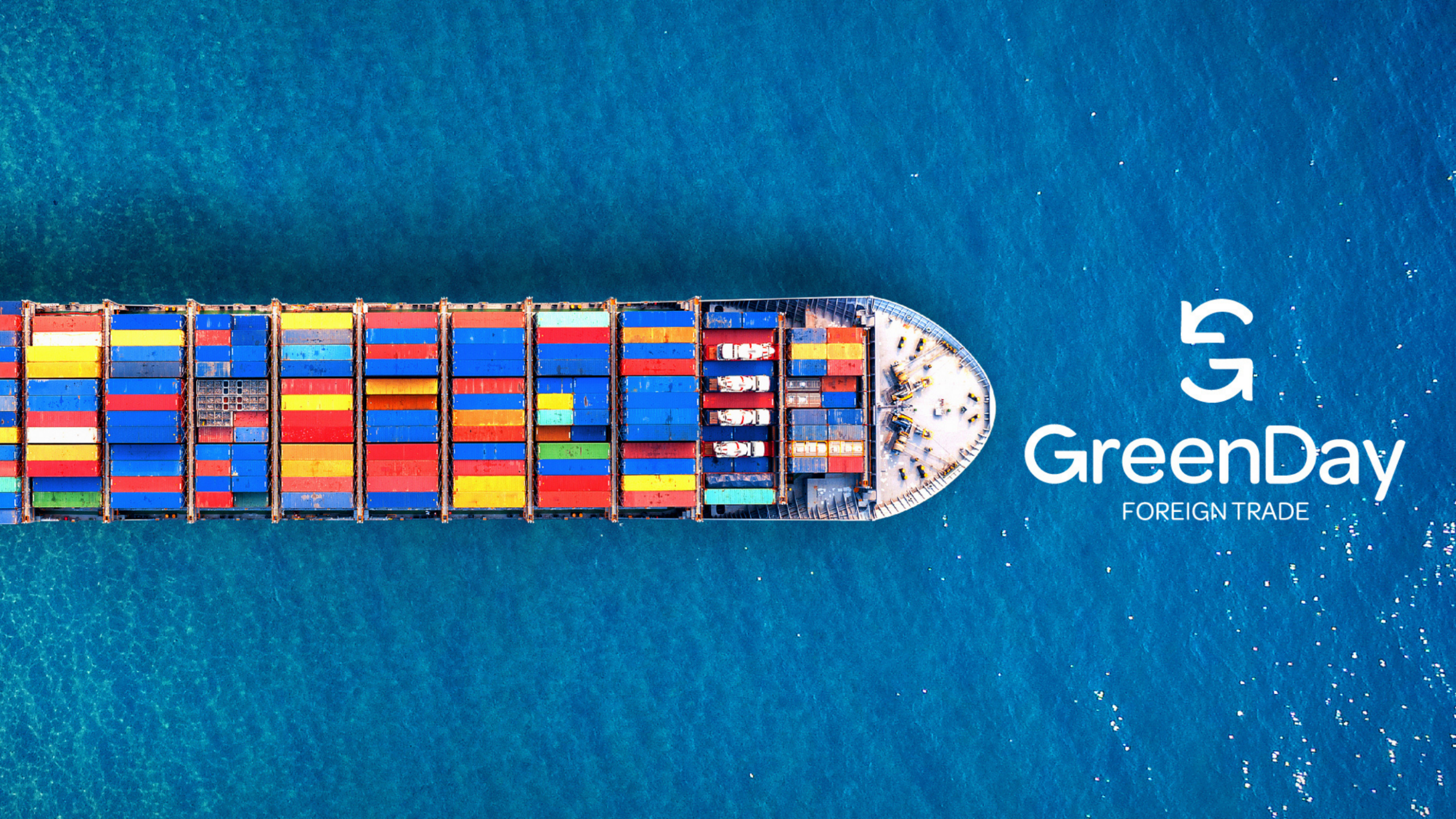
Container ship sailing on open sea

02 / 065 min read

Logistics

Telex release, original bill of lading and sea waybill: why cargo waits at the port

The differences between a telex release, an original bill of lading (OBL) and a sea waybill; when each is used, how they tie to payment, and how to avoid port delays on plastic scrap shipments.

Read the guide
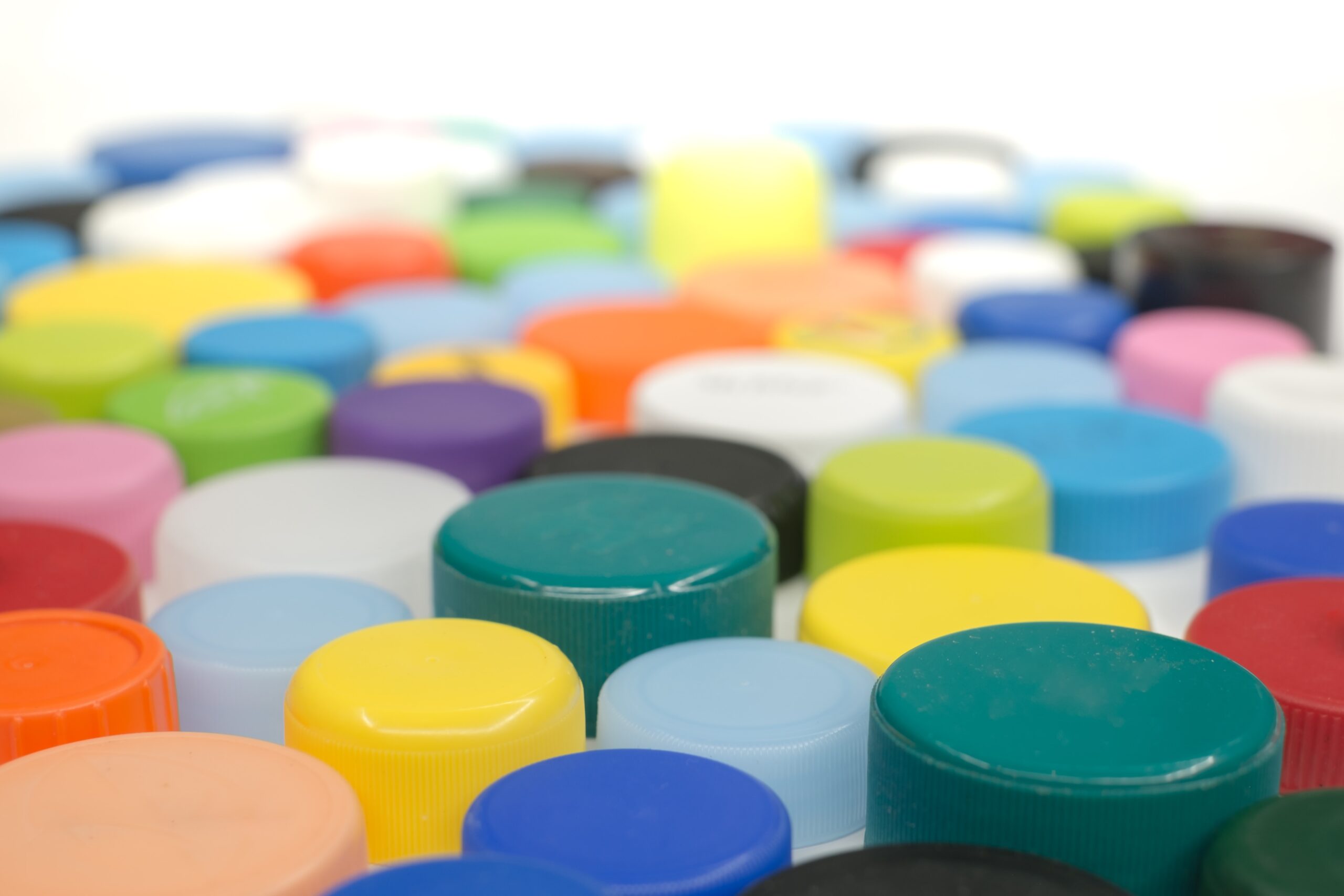
Pile of colourful plastic bottle caps

03 / 065 min read

Documents & Customs

HS codes for plastic waste and scrap: a guide to heading 3915

How plastic waste, parings and scrap are classified: 3915.10 (PE), 3915.20 (PS), 3915.30 (PVC), 3915.90 (PET, PP and others), 3901–3907 for recycled granules, and how to verify the right code from official sources.

Read the guide
Plastic bales stacked at a recycling facility

04 / 065 min read

Materials

PET, HDPE, LDPE and PP: a guide to identifying recyclable plastics

The four recycled plastics traded most: PET, HDPE, LDPE and PP. Their resin codes, where they come from, how to tell them apart and what they become after recycling.

Read the guide
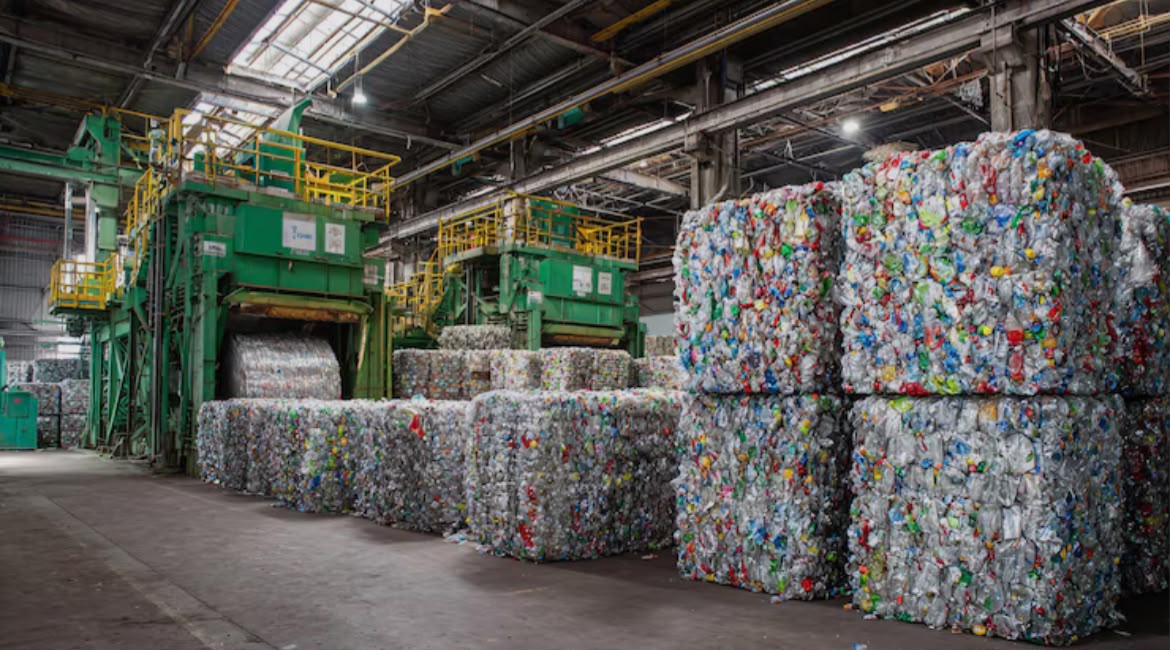
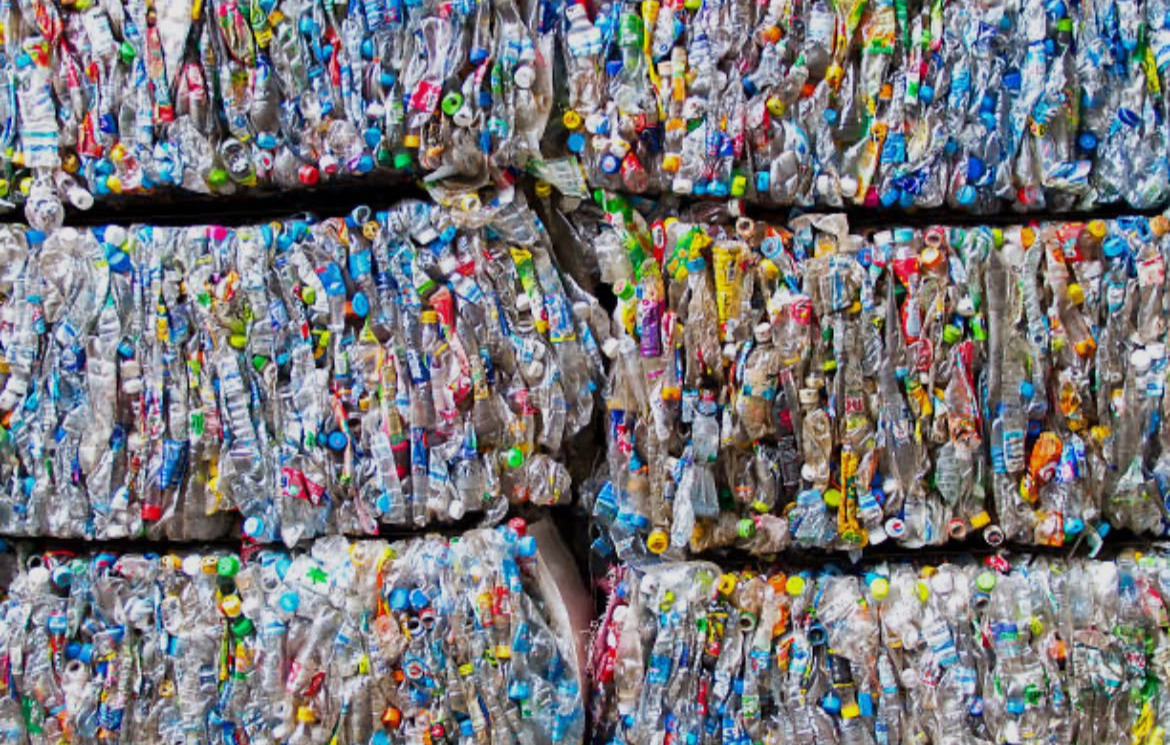
Compressed and strapped plastic bales

05 / 065 min read

Quality

How to assess plastic bale quality: a buyer's checklist

What determines plastic scrap bale quality: polymer purity, contamination, moisture, colour and bale density, plus a practical checklist for managing quality risk with loading photos, samples and contract terms.

Read the guide
Loader moving plastic bales at a recycling yard

06 / 065 min read

Regulation

EU Waste Shipment Regulation 2024/1157: what changes for the plastic waste trade?

How the new EU Waste Shipment Regulation (EU) 2024/1157 affects plastic waste exports: timeline, the ban on plastic waste exports to non-OECD countries, prior notification and consent for OECD destinations, mandatory digital documents and what it means for buyers in Türkiye.

Read the guide

FAQ

Quick answers

Short answers to the most common questions; the detail is in each guide.

How much advance payment is usual in plastic scrap imports?

In the flow Green Day Trade works with, a 30% advance is requested with the proforma invoice. Loading happens only after the advance is received; the balance is calculated on the final invoice after deducting the proforma payment.

Plastic scrap trade documentation: 7 steps from proforma to the signed Annex
What is a telex release?

A telex release is the electronic release instruction issued when the shipper surrenders the full set of original bills of lading to the carrier at the port of loading. The carrier's agent at destination can then release the cargo to the named consignee without original documents.

Telex release, original bill of lading and sea waybill: why cargo waits at the port
What is the HS code for plastic scrap?

Plastic waste, parings and scrap are classified under heading 3915. The subheading depends on the polymer: ethylene polymers (PE) 3915.10, styrene polymers 3915.20, vinyl chloride polymers (PVC) 3915.30 and other plastics (including PET and PP) 3915.90. Check the current national tariff for the full national code.

HS codes for plastic waste and scrap: a guide to heading 3915
What is the difference between PET and HDPE?

PET (polyethylene terephthalate) is clear, rigid and a good gas barrier; it is used for beverage bottles and sinks in water. HDPE (high-density polyethylene) is usually opaque and chemically resistant; it is used for detergent bottles, milk jugs and crates and floats in water.

PET, HDPE, LDPE and PP: a guide to identifying recyclable plastics
What moisture level is acceptable in plastic bales?

There is no single universal figure; it depends on the material, the source and the buyer's process. What matters is that the maximum accepted moisture and the measuring method are agreed in writing in the contract.

How to assess plastic bale quality: a buyer's checklist
When does the new EU Waste Shipment Regulation apply?

Regulation (EU) 2024/1157 entered into force in May 2024. Most of its provisions apply from 21 May 2026, with different transition dates for some provisions.

EU Waste Shipment Regulation 2024/1157: what changes for the plastic waste trade?

Contact form

Tell us about your material, we'll find the right match.

Describe the material you want to sell or buy, the volume and your expectations. Our team reviews every request and gets back to you.

  1. 01
    Send your request

    Material, volume and quality expectations.

  2. 02
    We match

    We identify a suitable supplier or buyer.

  3. 03
    We run the process

    We coordinate logistics and documents together.

Request type
Material

* Required fields